
Quiet spaces are becoming increasingly rare in modern life. Notifications, traffic, background noise, and constant stimulation mean the mind rarely gets a chance to slow down.
But stepping into a quiet space — even for a short time — can change how your mind feels.
Quiet spaces give the brain something it rarely receives: pause. They reduce the constant flow of input and create a moment where thoughts can settle.
For many people, including myself, quiet moments become most important after busy or stressful days. When there has been too much noise, too much work, or simply too much happening at once, the mind begins to feel overloaded.
And that is often when quiet becomes most powerful.
When Quiet Becomes Most Necessary
Most people do not notice their need for quiet until their mind feels crowded.
After a busy day at work or a stressful afternoon, it can feel difficult to switch off. Sometimes the noise is physical — conversations, traffic, or background sound. Other times it is mental noise: constant thoughts, unfinished tasks, or too much screen time.
On days like that, stepping into a quiet space can feel like giving the mind room to breathe.
Even a short pause can help the brain move from constant stimulation into a calmer state. Instead of reacting to everything around you, the mind has space to slow down.
Often the biggest benefit of quiet is simply having a moment where nothing is required.
What Quiet Spaces Can Look Like
A quiet space does not need to be perfect or designed in a special way. It simply needs to be somewhere that allows you to step away from noise.
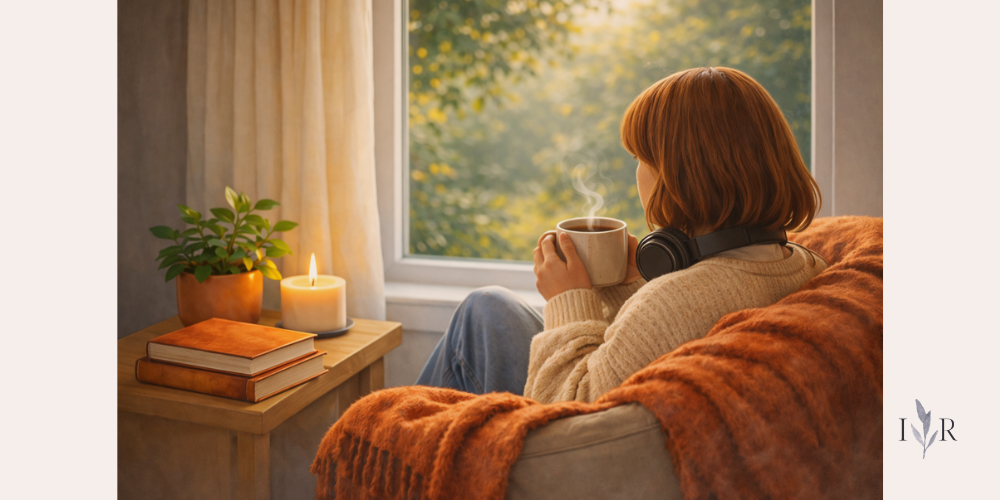
For some people this might be a quiet room at home. Others might use a reset corner, a garden chair, or a place by a window where sunlight comes through.
Libraries can also be surprisingly calming environments. Even public places can work if you create your own quiet using noise-cancelling headphones.
Nature is another powerful option. Sitting in a quiet park, near a lake, by the sea, or even in a wooded area can instantly reduce the amount of stimulation around you.
The most important thing is not the location itself. It is simply having somewhere you can sit without constant interruption.
What Quiet Moments Actually Look Like
Quiet time does not have to involve doing something complicated. In fact, the most effective quiet moments are often the simplest.
Sometimes it looks like sitting with a warm drink and doing nothing else. Other times it might be reading a physical book, meditating, or simply sitting in silence.
Watching the world outside a window can also be surprisingly calming. Seeing sunlight move across the room or watching people walk past outside creates a gentle focus without overwhelming the mind.
If the environment around you is noisy, noise-cancelling headphones can help recreate quiet even in busy places.
The goal is not to fill the time with tasks. The goal is simply to reduce input and let your mind settle.
How Long Quiet Time Needs to Be
Quiet moments do not need to last for hours to be helpful.
Many people find that ten minutes can already make a difference. On calmer days, you might have thirty minutes or longer in the evening to spend in a quiet space.
Personally, I often spend around half an hour in a quiet space when I can. Sometimes that includes meditation, reading, or simply sitting quietly without screens.
In the evenings, choosing a book instead of television can also create a natural quiet period before sleep. This helps the mind wind down and often improves sleep quality as well.
Even if time is limited, a short quiet pause during the day can still reset your mental state.
What Happens to the Mind in Quiet Spaces
One of the most noticeable effects of quiet is how quickly thoughts begin to slow down.
When the environment becomes calmer, the mind follows. Instead of racing from one idea to another, thinking becomes clearer and more steady.
Many people also notice that anxiety drops when they spend time in quiet spaces. Without constant stimulation, the brain stops trying to process so much information at once.
The result is often a simple feeling of being reset.
You feel calmer, more present, and able to focus again.
Why Quiet Spaces Are Harder to Find Today
Modern life makes quiet surprisingly difficult to experience.
Constant notifications, background noise, busy schedules, and the feeling that we always need to be doing something keep the brain in a state of activity.
Many people also feel pressure to stay connected to their phones at all times. Even when we are resting, screens often continue feeding the mind new information, which can make it harder for the brain to properly rest.
But quiet moments remind us that we do not always need to be connected. When you are at home, your phone does not need to be beside you every minute.
Giving yourself even a short period away from screens can make quiet easier to experience again.
Creating Quiet Spaces at Home
Quiet spaces can be created almost anywhere in a home.
Some people feel most comfortable in a reset corner with a chair and a warm drink. Others prefer sitting on the bed with a blanket or relaxing by a sunny window.
The garden can also become a peaceful place in warmer months. Sitting outside with sunlight and fresh air naturally reduces the feeling of mental pressure.
Small details can help create these calm spaces. Natural light, soft lighting, blankets, pillows, and plants all make an environment feel more peaceful.
Most importantly, removing screens and background noise makes a space feel noticeably quieter.
A Simple Way to Start Today
Creating a quiet moment does not require major changes.
One simple place to begin is by turning off background noise and sitting somewhere calm for a few minutes. That could be by a window, in the garden, or simply in a comfortable chair.
Even stepping outside briefly can provide enough quiet to reset your thoughts.
You could also create a small corner where you sit regularly with a drink, a book, or simply your own thoughts.
Quiet does not need to be complicated.
Why Quiet Time Is Worth It
At first, quiet moments may feel unfamiliar. Some people even find them slightly boring at the beginning.
But the more often you allow your mind to experience quiet, the easier it becomes. Over time those small pauses start to feel restorative rather than uncomfortable.
Your body and mind need periods without constant stimulation.
And sometimes the most productive thing you can do is simply sit somewhere quiet and allow yourself to pause.
