When anxiety rises, the instinct is often to fix it quickly. Search for a solution. Distract yourself. Push through it. Try to outthink it. But anxiety rarely responds well to force. It responds better to steadiness. If you’re looking for the best self care activities for anxiety relief, the answer is usually simpler than expected. The most effective practices are the ones that reduce stimulation, create predictability and gently bring your attention back to the present moment.
They don’t need to be dramatic.
They need to be repeatable.
Gentle Movement for Anxiety Relief
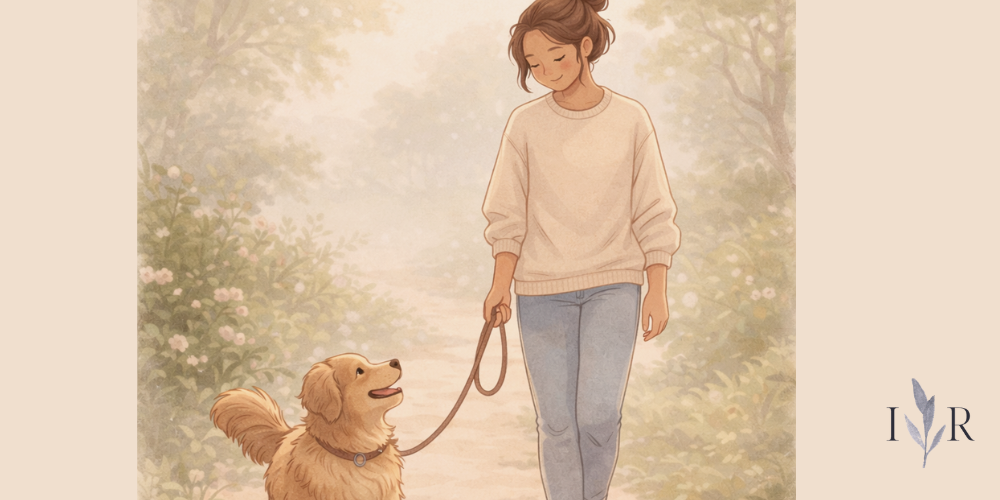
Anxiety builds energy in the body. Thoughts race, but the body often feels restless too. Gentle movement can soften that edge. A short walk without headphones. Slow stretching. Even tidying something small with full attention. The goal isn’t intensity. It’s rhythm. When your body moves steadily, your thoughts often follow.
Why Writing Helps with Anxiety
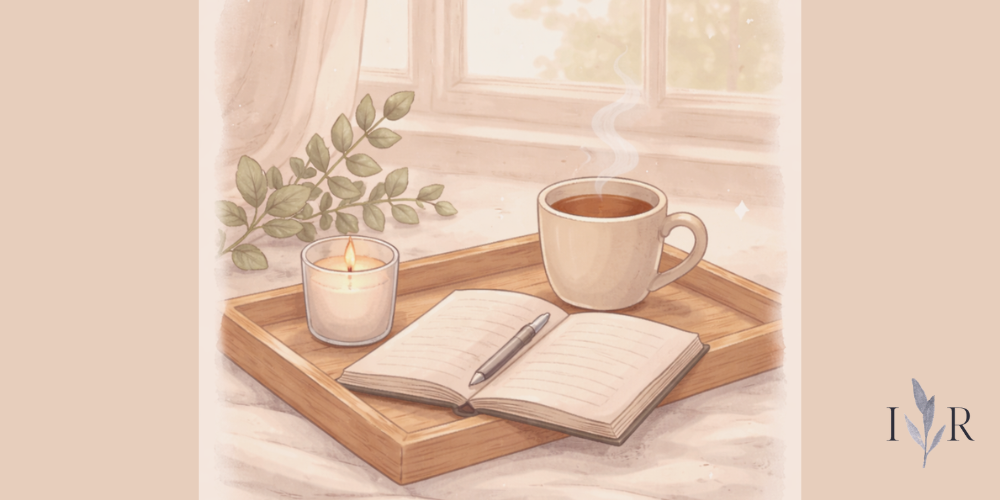
An anxious mind tends to circle the same worries repeatedly. The same thoughts replay without resolution. Writing interrupts that cycle.
Putting words on paper slows them down. It creates distance between you and the worry. What felt overwhelming internally can look surprisingly manageable once it’s written.
It doesn’t have to be structured journaling. Even a few lines of mindful journaling can help slow anxious thoughts. A few honest sentences are enough.
Reducing Stimulation to Calm Anxiety
One of the most overlooked self-care activities for anxiety relief is simply lowering the amount of information coming in. Background television, constant scrolling, news updates, multiple conversations — all of it keeps the mind slightly activated.
Turning off unnecessary noise, even briefly, can shift how you feel. Silence may feel uncomfortable at first. That’s normal. It often means your mind hasn’t had much of it.
Daily Rituals That Support Anxiety Relief
Anxiety thrives on uncertainty. Predictability calms it. Simple daily rituals — a consistent morning drink without your phone, dimming the lights at the same time each evening, writing a few lines before bed — create structure. The ritual itself may be small, but its reliability builds a sense of stability. When part of your day feels steady, everything else feels less fragile.
Grounding Techniques for Anxiety
Anxiety pulls attention into the future.
Grounding brings it back. Research shows that grounding techniques can help calm the nervous system and reduce anxiety symptoms.
Touch something solid. Step outside and notice the temperature of the air. Hold a warm mug with both hands. Pay attention to texture — fabric, wood, paper.
These small physical cues remind your mind that you are here, not in the imagined worst-case scenario. They anchor you in something real.
What Actually Helps Long-Term
The best self-care activities for anxiety relief are rarely exciting. They are quiet, steady and slightly repetitive. Sleep at a consistent time. Reduce late-night screen use. Step outside daily. Write occasionally. create one small daily reset routine in your day.
A Gentle Reminder
Self care activities for anxiety don’t need to be perfect to work. What matters most is that they create small moments where your mind can slow down.
Anxiety often grows when everything feels urgent and constant. Small pauses — stepping outside, writing a few honest lines, turning off background noise — remind your nervous system that not everything requires immediate attention.
The goal isn’t to eliminate anxiety completely. It’s to create enough calm space that it no longer fills every corner of your day.
Even one steady habit can make a difference.
And sometimes, that small difference is exactly what your mind needed.
Over time, these small self care activities for anxiety begin to create a steadier rhythm in your day. The mind learns that calm is possible again, even in small moments.